Research at Neurogati

Bridging the gap between computational theory and clinical application through rigorous research and evidence-based innovation in neurotechnology.

Published Books

2018
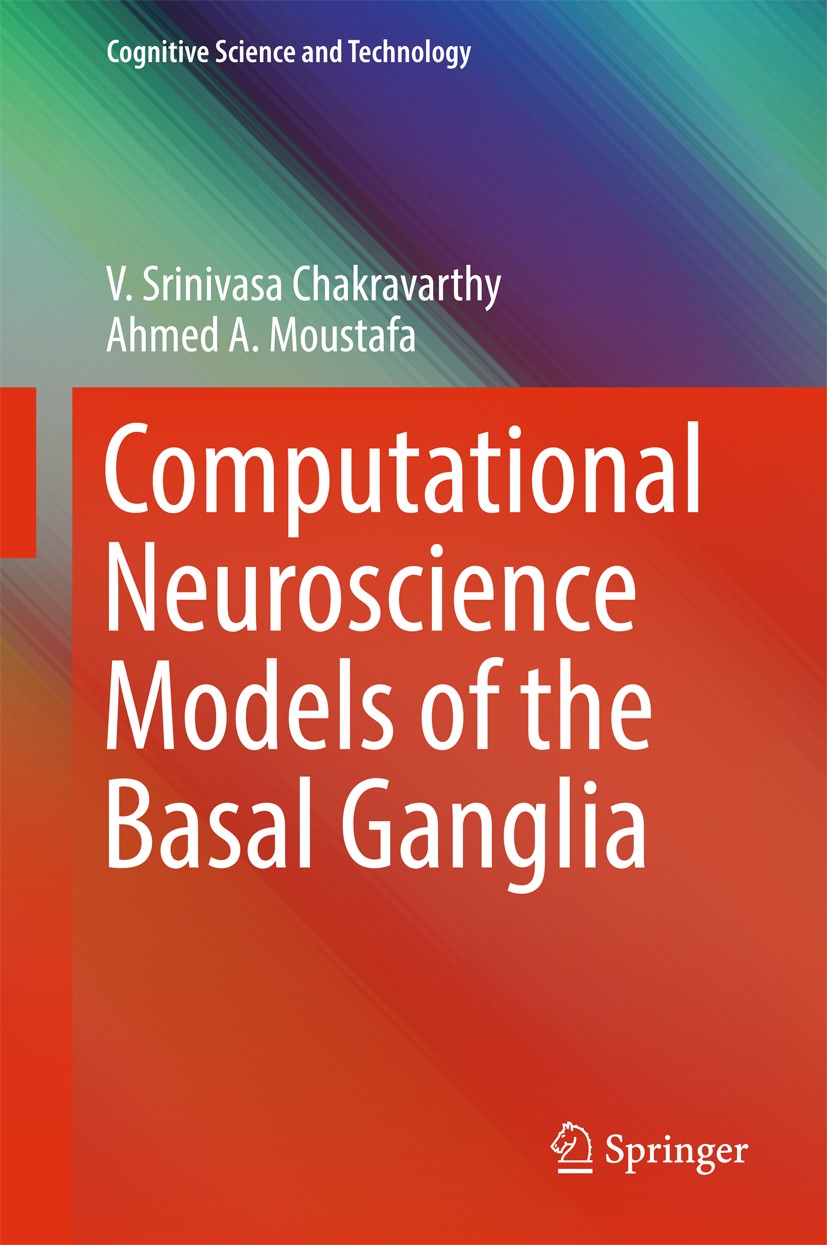
Computational Neuroscience Models of the Basal Ganglia

Springer

Computational Neuroscience Models of the Basal Ganglia

Computational models of basal ganglia-related disorders, including Parkinson's disease, schizophrenia, and addiction.

2018
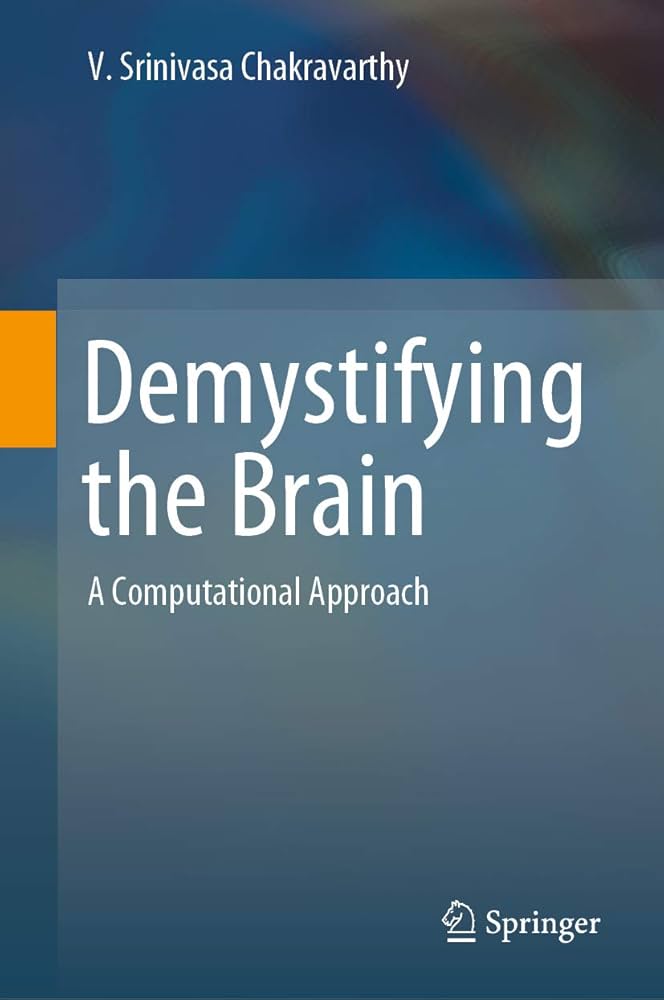
Demystifying the Brain

Springer

Demystifying the Brain

An emerging vision of the brain expressed in computational terms for non-experts, covering neural networks and consciousness.

Journals & Publications

2022
A Multiscale, Systems-Level, Neuropharmacological Model of Cortico-Basal Ganglia System for Arm Reaching Under Normal, Parkinsonian, and Levodopa Medication Conditions

Frontiers in Computational Neuroscience

Explores how dopamine loss leads to Parkinson's symptoms by linking cellular degeneration to real-world motor behavior via multiscale computational modeling.

2023
A generalized reinforcement learning based deep neural network agent model for diverse cognitive constructs

Scientific Reports

A unified reinforcement learning model that simulates integrated cognitive functions like attention, memory, and decision-making.

2024
A Computational Model of Deep Brain Stimulation for Parkinson's Disease Tremor and Bradykinesia

Brain Sciences

Demonstrates how DBS effectively alleviates motor disorders and identifies optimal stimulation parameters for maximum therapeutic benefit.

2024
Feasibility and efficacy of virtual reality rehabilitation compared with conventional physiotherapy for upper extremity impairment due to ischaemic stroke

BMJ Open

A multicenter trial evaluating the effectiveness of VR-cRGS for stroke survivors compared to conventional physiotherapy.

Ongoing Clinical Studies

Current initiatives advancing the field of neurotechnology through rigorous validation and evidence-based development.

Rehabilitation for Post-Stroke Recovery
Ongoing

Using cRGS™ to improve motor outcomes in stroke survivors through remote, gamified therapy sessions.

Participants

Target: 150 patients

Duration

18 months

Location

Multi-center study

AI-Driven Quantitative Gait Assessment for Parkinson's Disease
Ongoing

Validating our AI-powered diagnostic tools against gold-standard clinical gait analysis tests.

Participants

Target: 200 patients

Duration

24 months

Location

Multi-center study

Research Impact

25+

Years of Research

150+

Publications

5

Active Studies

500+

Patients Enrolled

Collaborate with Our Research Team

Join our mission to advance neurotechnology through rigorous research. We welcome collaboration from clinicians, researchers, and academic institutions.